


An inflammatory process observed in prostate tissue for three months or longer is called chronic prostatitis.If the course of the disease is longer, it can be judged as the beginning of the chronic phase.According to statistics, acute and chronic prostatitis often occur in the context of complicated urethritis.
A distinctive feature of chronic prostatitis is that in 50-70% of cases the disease is not felt through obvious symptoms.In only 20% of cases, patients describe symptoms of chronic prostatitis.Men in the remaining categories are only notedindirect symptoms of disease, not directly related to prostatitis.No matter young or middle-aged men, they are not immune to chronic prostatitis.
People who lack physical activity, work sedentary jobs, and are abstinent are prone to prostatitis.Therefore, truck drivers who spend most of their time behind the wheel are affected by negative factors: hypothermia and congestion of the pelvic organs.Representatives of contact sports and weightlifters are susceptible to microtrauma to prostate tissue.Men with low sexual activity become hostages to this unpleasant disease due to stagnant prostate secretions.They affect the prostate through the blood or lymph fluid, causing acute and chronic prostatitis and various sexually transmitted infections.
Types and stages of chronic prostatitis
In urological practice, there are the following characteristics:Forms of chronic prostatitis:
- Bacterial.The disease is caused by infection or the invasion of the prostate by pathogenic bacteria.The most common is chronic prostatitis caused by chlamydia.The danger with this form is that if left untreated, men may become infertile.
- Bacteria-free.Non-infectious chronic prostatitis.Diagnosing the exact cause is quite difficult.Typically, this type of prostatitis occurs due to the anatomical characteristics of the individual male's prostate.Improper structure of this organ increases pressure on the urethra, causing frequent urination.Autoimmune diseases can also cause degenerative changes in prostate tissue.
- Stagnant.Congestive chronic prostatitis occurs when the prostate is not completely emptied and excess blood clots form.Stagnation creates an inflammatory response.
- Persistent pelvic pain syndrome.A man complains of persistent pain in the perineal area.
- Asymptomatic.Chronic prostatitis occurs in a latent form, causing no pain or discomfort despite the presence of inflammation.
Chronic prostatitis has its own stages of development
- exudation stage.Rapid ejaculation and severe prostate pain.
- Alternative stage.Pain is replaced by discomfort, decreased intercourse time, and frequent urination.
- proliferation stage.Wants to go to the toilet more often but has trouble urinating.
- Stages of scar change.Hardening of healthy prostate tissue.Due to morphological changes, there is a feeling of heaviness in the sacrum and pubic area, the flow of urine is weakened and less effective.The sensations during orgasm are often vague.
reason
- Infect.The sources of pathogenic bacteria that enter the prostate are blood vessels and lymphatic vessels.Urinary tract disease and rectal inflammation are prerequisites for prostate tissue infection.Mode of infection:
- descending order- Infection enters the glands along with urine containing microorganisms.
- Rising—The route of entry of microorganisms into the prostate begins at the external urethral orifice.
- Decreased protective functions of the body.One of the main culprits of chronic prostatitis is decreased immunity.Hypothermia, frequent stressful situations, poor nutrition, and poor habits can all exacerbate this condition.When immunity is weakened, the body becomes susceptible to infection, which can lead to inflammation of the prostate.
- poor blood circulation.A long, sedentary lifestyle is closely related to chronic prostatitis.The visceral systems of men are affected by the lack of physical activity: endocrine, cardiovascular, neurological.The blood microcirculation in the pelvis deteriorates, causing prostate cells to be starved of oxygen.
- Lack of regular sex life.Denial of intimacy and excessive sexual activity can lead to prostate problems.Many sexually active men engage in vigorous sexual activity.As a result of frequent sexual intercourse, their nervous systems are exhausted, their hormones are disrupted, and their erections gradually weaken.Incomplete sexual intercourse is very harmful to prostate health.
- chronic prostate damage.The soft tissue of the prostate is often injured by excessive pressure, shaking, and vibration, and becomes periodically inflamed.
- transurethral surgeryIf not treated with antibiotics at the same time, prostate infection may result.
- Urinary catheterProstate infection can also result from men being forced to live with it for a period of time.
Symptoms of chronic prostatitis
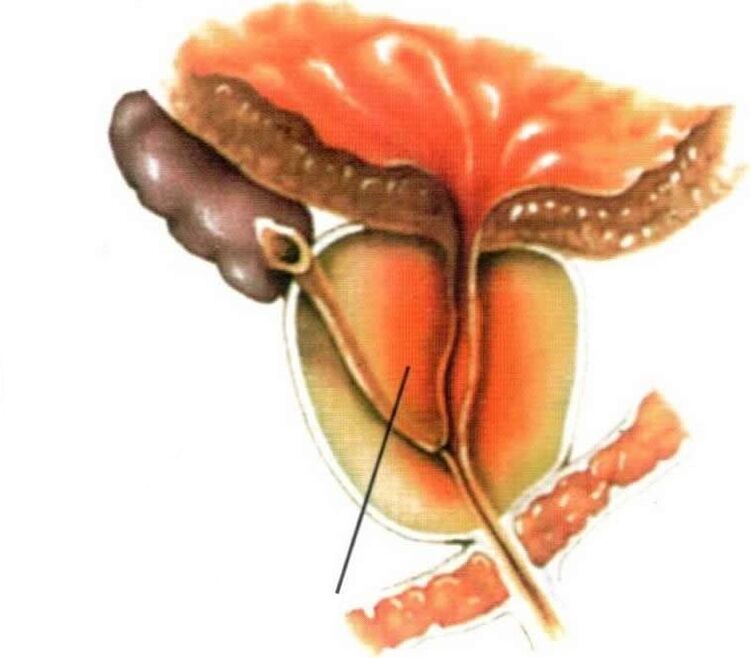
The symptoms of chronic prostatitis vary.Some of the first symptoms of chronic prostatitis that draw attention are pain during urination and impaired sexual function.Often, problems in intimate relationships force men to seek help from a doctor.If you experience discomfort and pain in the pelvic areaDoes not subside for more than three months, then it is very likely that we can talk about chronic prostatitis.
Most often, the pain syndrome spreads to the perineal area, but discomfort may also be localized to the pubic and inguinal areas.A man complains of pain in the anus, scrotum, and glans.The pain radiates to the lumbosacral region.Pain attacks may cover the inner thigh.Pain in one testicle does not usually indicate prostatitis.The complaint of post-ejaculation pain is unique to the chronic course of the disease.
Common symptoms of chronic prostatitis also include increased sweating, perineal chills, and tremors.Poor pelvic circulation can causechanges in skin color.
Chronicization of the inflammatory process of the prostate leads to the destruction of its tone.In some cases, prostate leakage occurs.In this pathology, the gland secretes spontaneously, independent of sexual arousal or ejaculation.
With chronic prostatitis, men may observe a small amount of purulent or clear discharge from the penis, mainly in the morning.Some patients notice white flakes or threads in their urine.One sign of advanced calculus prostatitis is the presence of blood in the semen.
Many patients notice the emergence of sexual dysfunction, together with a decrease in libido and worsening of spontaneous erections.It is worth noting that most patients suffer from impotenceno important meaning.In the early stages of chronic prostatitis, men will experience premature ejaculation, and over time, premature ejaculation will become difficult.Some patients report decreased intensity of sensation during intercourse.Urination problems are often irritating.
Diagnosis of biomaterials from men with chronic prostatitis revealed quantitative and qualitative disruption of prostate secretion.Morphological deviations in ejaculation parameters are rarely associated with male infertility.
During remission, most symptoms subside and pain decreases.Many men calm down and attribute this condition to self-healing.But without appropriate treatment, foci of infection in the prostate can persist and worsen duringSignificant worsening of symptoms, low-grade fever persists.
Diagnosis of disease
Diagnosing chronic prostatitis is not difficult for an experienced urologist.The most difficult thing here is most likely determining the real cause of chronic prostatitis.
confirm diagnosisPerform the following procedure:
- Use your fingers to perform a rectal examination.A digital examination is done during a man's first visit to the urologist.The back of the prostate contacts the rectum, which allows the condition of the prostate to be assessed when a finger is inserted into the anus.Palpating the posterior surface of the gland can determine the size and shape of the inflamed organ as well as its consistency and level of pain.
- Microscopic examination of prostate secretions.While studying biological materials, laboratory technicians may notice an increase in the number of white blood cells - an indication of the spread of pathogenic bacteria.
- Glandular Secretion CultureNutrient media, bacterial types, and antibiotic resistance were studied using RIF and PCR methods.
- Cystoscopy.The endoscopic imaging system device is inserted into the bladder lumen.This diagnostic approach to chronic prostatitis allows us to rule out cancer, cystitis, and bladder damage.
- ultrasound.Your doctor may perform an ultrasound before starting treatment for acute prostatitis to avoid missing the formation of an organ abscess.For men with chronic prostatitis, an ultrasound may be performed to detect stones and cysts and to assess urethral pressure levels.Today, transrectal ultrasound is more effective, in which a transducer is inserted into the rectum.
- Uroflow rate diagnostic method.In this way, indicators of the urinary process are studied: the duration and speed of urine outflow.A rate greater than 10–15 ml/sec indicates patency of the urethra.Indicators below this standard indicate chronic prostatitis leading to poor urethral patency.
Chronic prostatitis: treatment
Every clinical case requiresIndividualized treatment options.When choosing a treatment modality, take into account the cause of the disease, the duration of the disease course and the presence of aggravating factors.
Medication:
- antibiotic.Antimicrobial treatment is only needed if the prostate is infected by bacteria found in prostate secretions or urine.Fluoroquinolone antibiotics are prescribed.Treatment lasts two to eight weeks.After a course of antibacterial treatment, symptoms usually remain as long as the infective agent has been eliminated.
- alpha blockersFor use by men to reduce excessive strain on the bladder muscles and stabilize intraurethral pressure.They are not effective if the patient has impaired muscle innervation and has pelvic floor muscular dystrophy.
- NSAIDs.Helps relieve pain syndrome.
- Selective antidepressants.Suitable for men to improve mood background, relieve anxiety and self-doubt.
- Hormone drugs.Antiandrogens and androgens are used to regulate hormone levels.
- Immunostimulating drugs.For use in proven immunodeficiency.
- Uric acid level regulator.If there are sand and stones in the prostate, it is reasonable to make an appointment.
- Vitamin complex.
Adjuvant methods for treating chronic prostatitis
Some urologists believe that physical effects on the prostate can provide significant relief to patients.However, most of these treatments have their own contraindications, soUnder certain conditions:
- Prostate Massage.It is contraindicated in patients with prostatic hyperplasia as it can cause acute urinary retention.Additionally, through massage, you may spread the infection throughout your prostate and cause sepsis.Massage should not be performed if the prostate has cystic formation or venous stasis.To relieve glandular stagnation, natural drainage during ejaculation is considered the best method.
- Bladder gymnastics.Treatment consists of a set of special exercises designed to improve the muscle tone of the bladder and its sphincter.
- Instillation.Inject the solution deep into the urethra.The procedure is very painful and often leads to complications.
- physiotherapy.Treatment of the prostate with transrectal ultrasound, electrical stimulation, magnetic therapy, and phonophoresis will benefit poor pelvic floor muscle tone.Physical therapy can only provide temporary relief from a patient's condition.Only by eliminating the cause of prostatitis can lasting results be achieved.
- Traditional medicine recipes.Folk methods such as pumpkin seed honey and horse chestnut alcohol tincture should be used after consulting the attending physician.
Surgical treatment of chronic prostatitis
Taking into account the pathological processes causing prostatitis, they usedtransurethral resectionprostate.This is a modern surgical treatment method that replaces open surgery.Prostatic cysts formed using endoscopic drainage and seminal vesicle correction surgery if outflow of secretions is obstructed.
Treatment of chronic prostatitis——long process, which requires a man’s patience and endurance.To prevent illness from catching you off guard, you need to monitor your health, strengthen your immunity, and treat colds promptly.